
Norfolk's Best Practices for Attic Ventilation
CR
Understanding the Importance of Attic Ventilation
Proper attic ventilation is crucial for maintaining a healthy and energy-efficient home. In Norfolk, with its unique climate, ensuring your attic is well-ventilated can prevent a host of issues ranging from mold growth to increased energy bills. By allowing fresh air to circulate, you can protect your home's structural integrity and enhance indoor comfort.
Key Benefits of Attic Ventilation
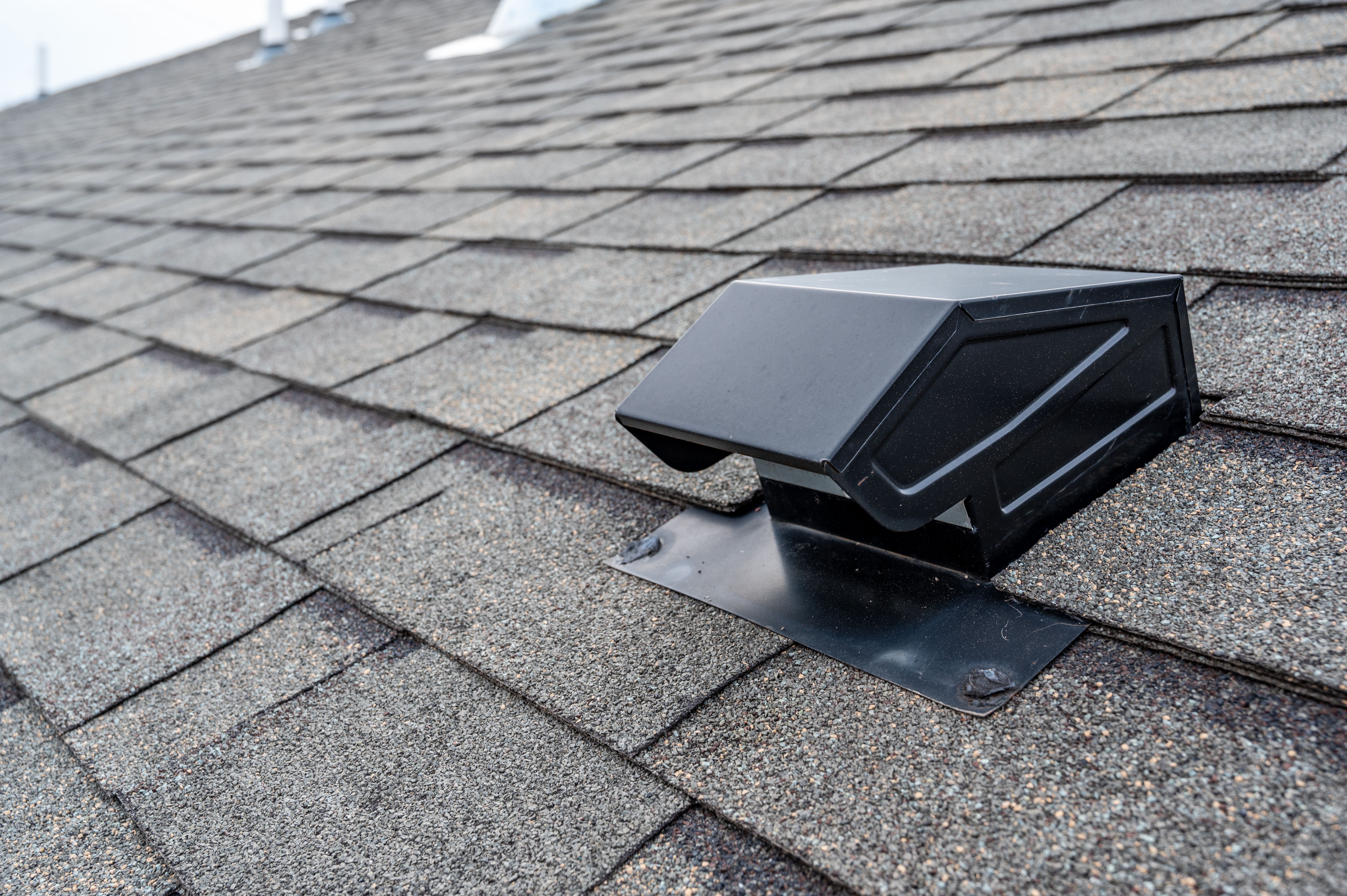
Adequate attic ventilation helps regulate temperature, preventing heat buildup during the summer months. This not only keeps your home cooler but also reduces the strain on your air conditioning system. In the winter, proper ventilation prevents moisture buildup, which can lead to mold and mildew.
Moreover, a well-ventilated attic can extend the lifespan of your roof by preventing ice dams and reducing the risk of warping or cracking. It also contributes to better indoor air quality, making your living environment healthier.
Types of Attic Ventilation Systems
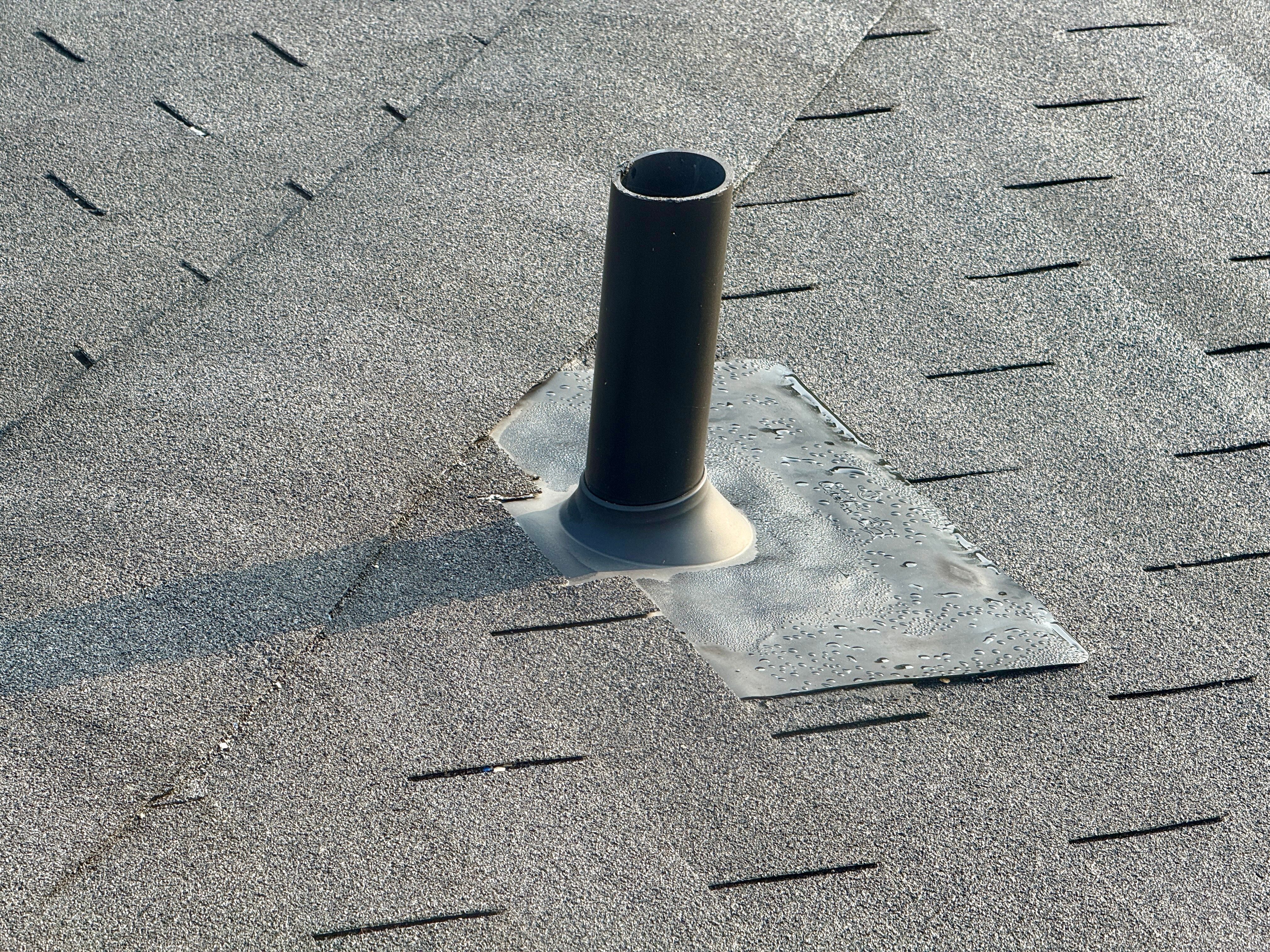
There are several types of attic ventilation systems, each with its own advantages. The most common include ridge vents, soffit vents, and gable vents. Ridge vents are installed at the peak of the roof and allow hot air to escape efficiently. Soffit vents, placed under the eaves, allow cooler air to enter the attic. Gable vents are positioned in the gable ends of the attic to promote cross-ventilation.
Choosing the Right System for Your Home
When selecting a ventilation system, consider factors such as your roof's design, attic size, and local climate conditions. Consulting with a professional can help you choose the most effective solution tailored to your home's specific needs.
Common Mistakes in Attic Ventilation
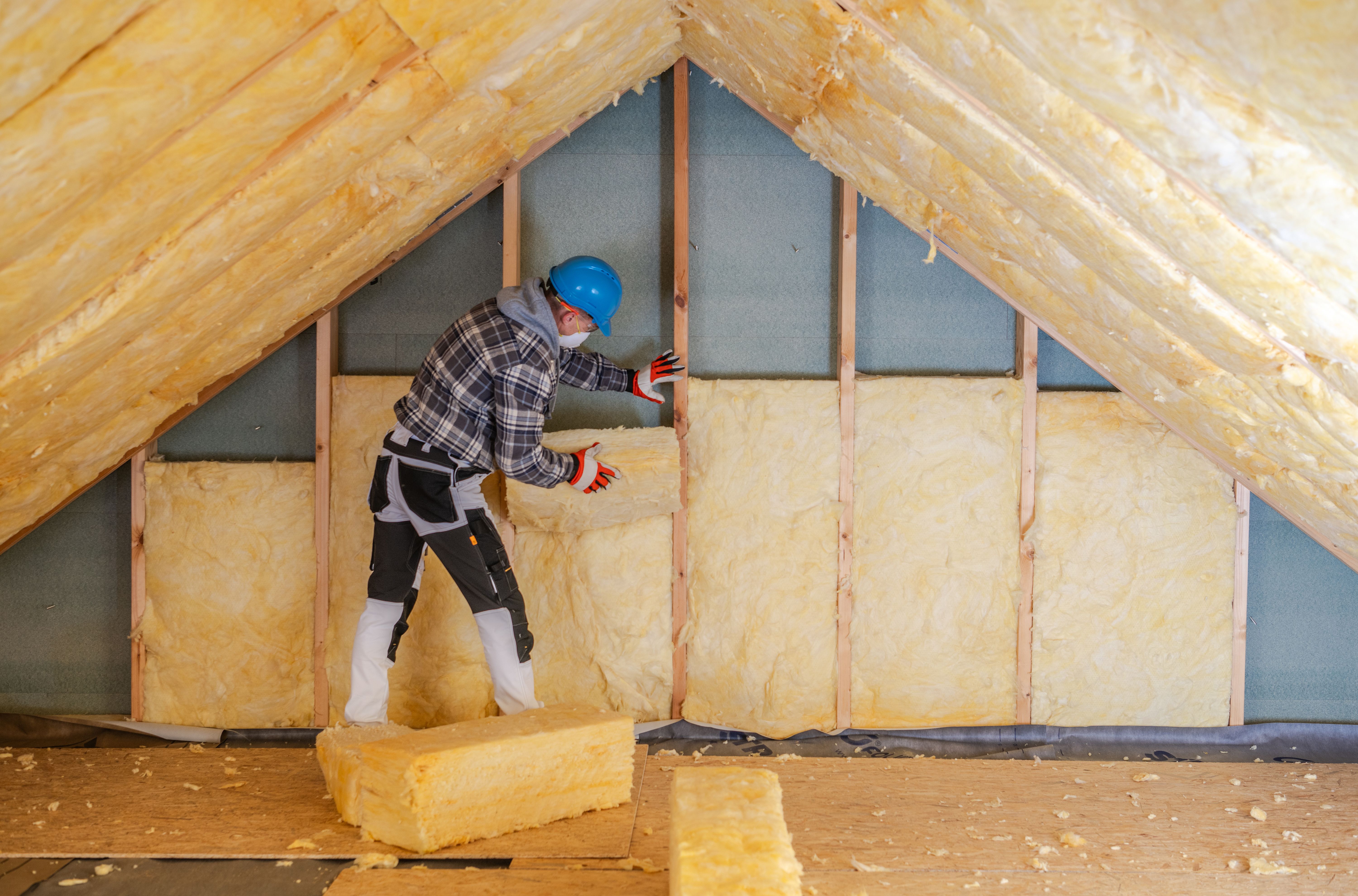
One common mistake homeowners make is blocking vents with insulation, which can severely restrict airflow. It’s essential to ensure that vents remain unobstructed to function effectively. Another mistake is underestimating the number of vents required for adequate ventilation.
Also, relying solely on mechanical ventilation without considering natural ventilation options can lead to increased energy use. Balancing both types can optimize performance and efficiency.
Best Practices for Installation and Maintenance
Proper installation is key to effective attic ventilation. Ensure all components are securely fitted and that the ventilation system is balanced, allowing for equal intake and exhaust. Regular maintenance, such as cleaning vents and checking for blockages, is necessary to maintain optimal performance.
Signs Your Attic Ventilation Needs Improvement
Look out for signs like excessive heat in the upper floors, noticeable humidity, or a musty odor in your attic. These can indicate inadequate ventilation and should be addressed promptly to avoid further complications.
Conclusion
Investing in proper attic ventilation is a wise decision for homeowners in Norfolk. By understanding the benefits and common pitfalls, you can ensure your attic remains a well-ventilated space, contributing to the longevity and efficiency of your home. Consider consulting with a specialist to determine the best system for your needs and enjoy a more comfortable living environment.