
Expert Insights: Common Attic Problems and How to Fix Them
CR
Understanding Attic Ventilation Issues
Attic ventilation is a critical aspect of maintaining a healthy home environment. Poor ventilation can lead to a buildup of moisture, resulting in mold growth and structural damage. Ensuring proper airflow helps regulate temperature and reduces the risk of these issues. Common signs of poor ventilation include excessive heat in the attic, musty odors, and visible mold.
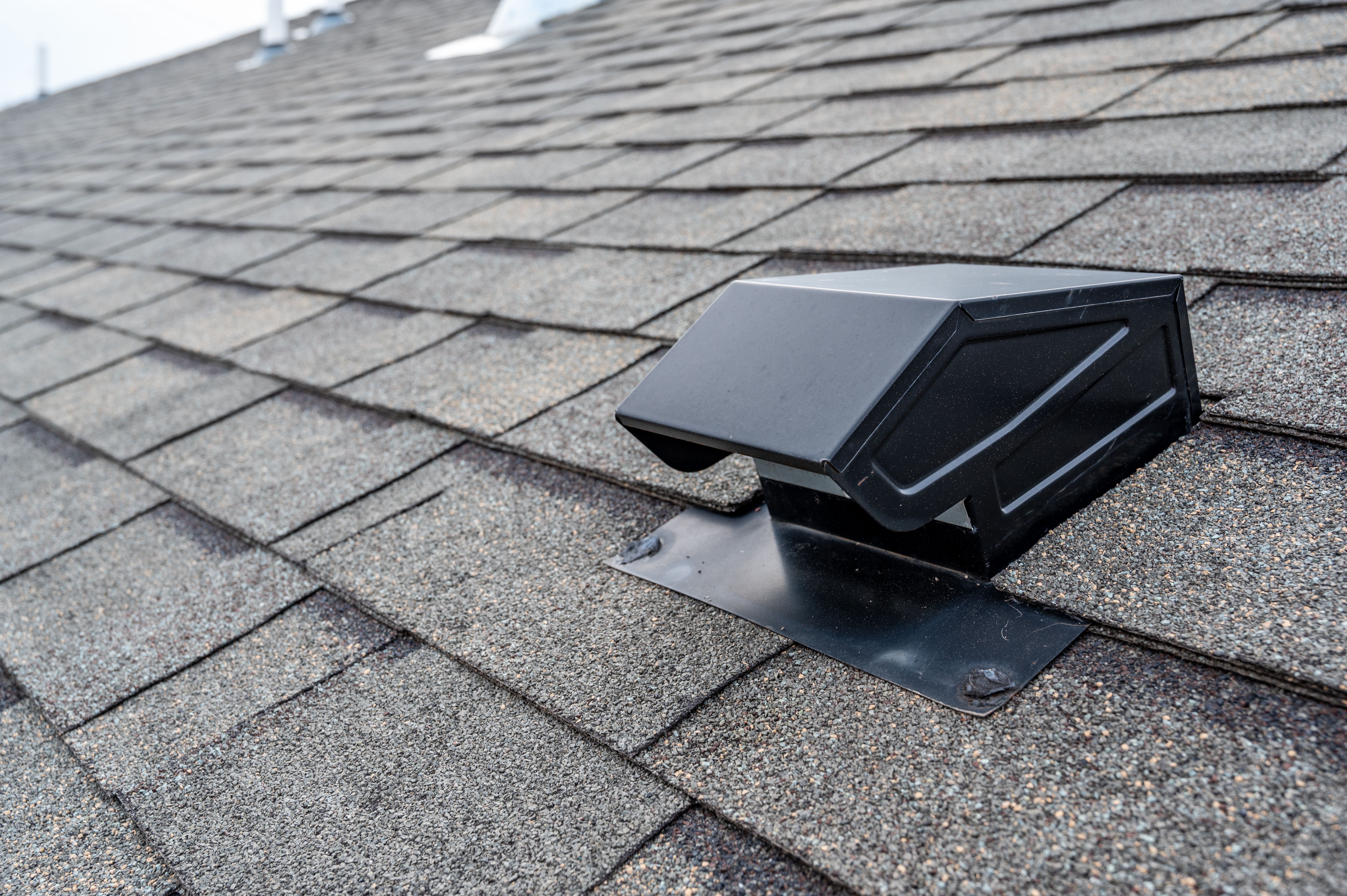
To address ventilation problems, consider installing additional vents or upgrading existing ones. Ridge vents, soffit vents, and gable vents are popular options. Each type serves a specific purpose, and a combination can provide comprehensive ventilation. Consult with an expert to determine the best solution for your attic.
Dealing with Insulation Problems
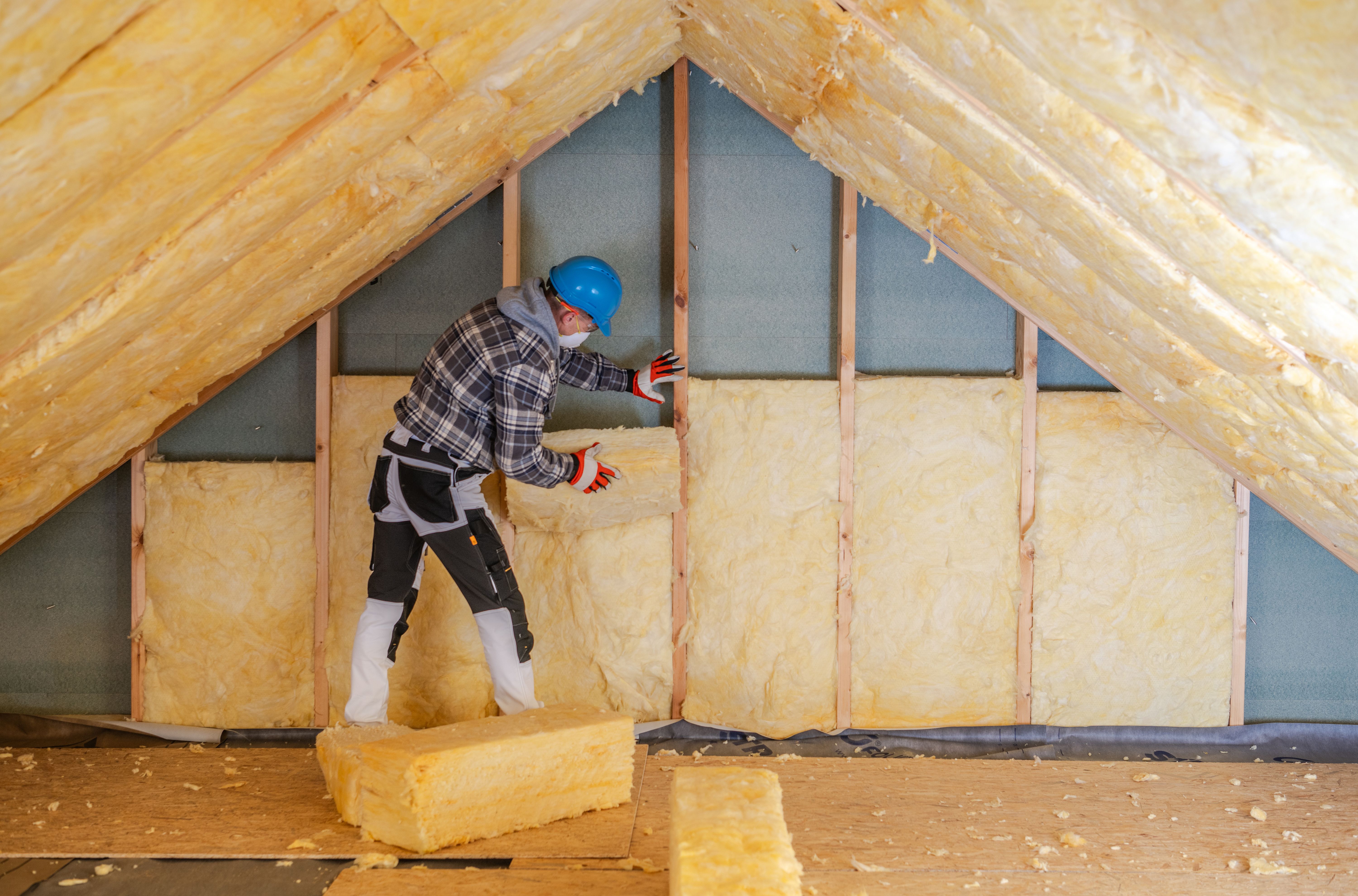
Insufficient or damaged insulation is another frequent attic issue. It can lead to energy inefficiency, causing your heating and cooling systems to work harder than necessary. This not only increases utility bills but also affects comfort levels within the home.
Inspect your attic insulation regularly for signs of wear, such as compression or moisture stains. If you notice these issues, it may be time to replace or add more insulation. Various materials, including fiberglass, cellulose, and spray foam, offer different benefits, so choose one that fits your needs and budget.
Addressing Pest Infestations
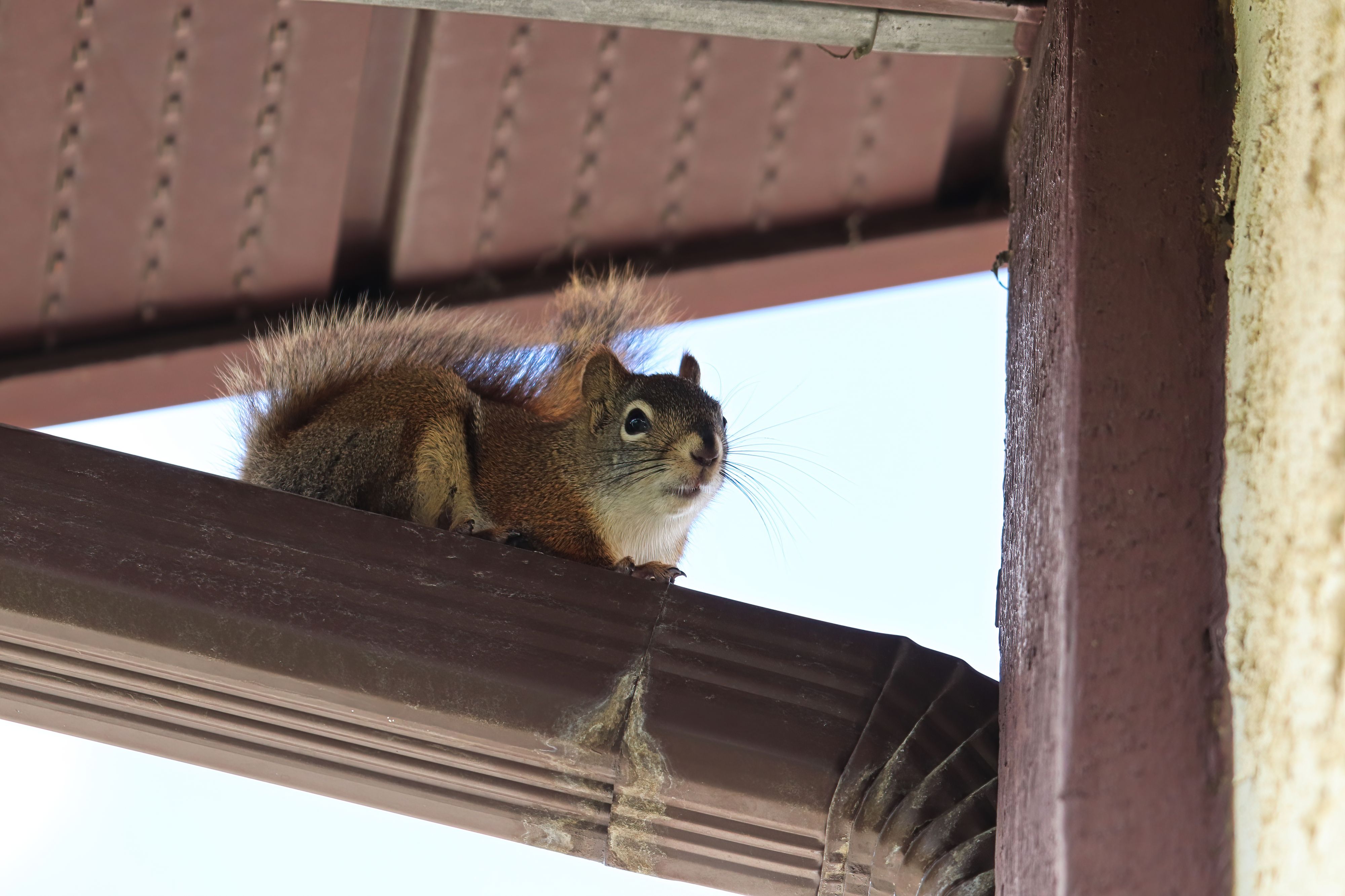
Attics are often a haven for pests such as rodents, insects, and birds. These unwelcome guests can cause significant damage by chewing through wires and insulation, leading to costly repairs. Additionally, they may pose health risks due to droppings and nesting materials.
To prevent infestations, seal entry points and eliminate food sources. Regularly inspect your attic for signs of pests, such as droppings or gnaw marks. If you suspect an infestation, contact a pest control professional to assess the situation and implement a tailored solution.
Managing Moisture and Mold
Moisture is a common problem in attics, often leading to mold growth and structural damage. High humidity levels, roof leaks, or condensation can contribute to excess moisture. Recognizing these issues early is crucial to preventing long-term damage.
To combat moisture, ensure your attic is well-ventilated and check for roof leaks regularly. Repair any damage promptly and consider using a dehumidifier to control humidity levels. If mold is already present, professional remediation may be necessary to safely remove it and prevent recurrence.
Ensuring Proper Attic Storage
While attics can provide valuable storage space, improper use can lead to various issues. Overloading the space can cause structural stress, while improperly stored items may attract pests or become damaged by temperature fluctuations.
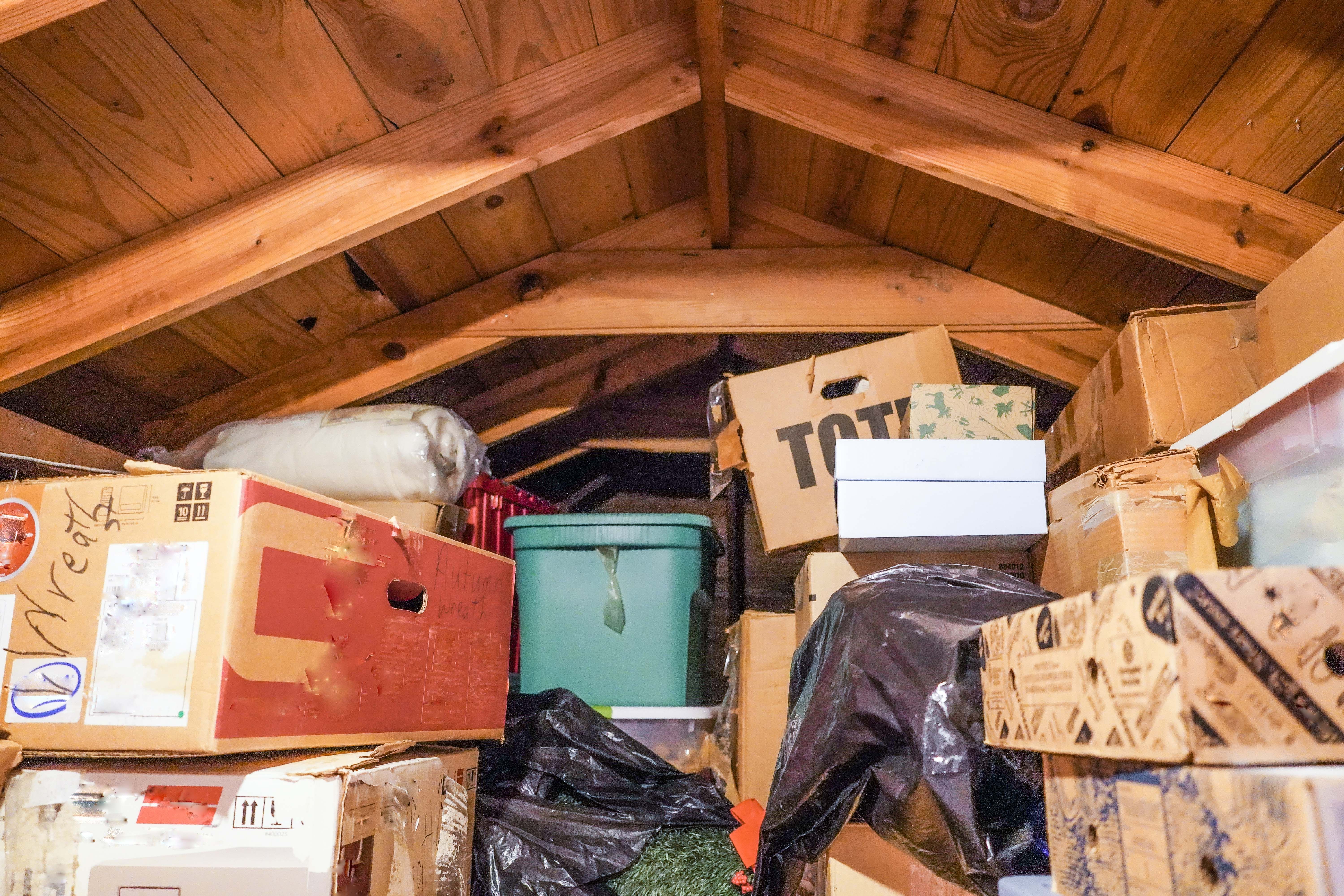
When using your attic for storage, distribute weight evenly and avoid blocking vents. Use airtight containers to protect belongings from moisture and pests. Regularly reassess the items stored in your attic to ensure they are well-protected and organized.