
DIY Crawlspace Waterproofing: Step-by-Step Tips from the Pros
CR
Waterproofing your crawlspace is a crucial step in maintaining the health and efficiency of your home. Not only does it prevent water damage, but it also helps in maintaining air quality and energy efficiency. With a few tools and some guidance, you can tackle this project yourself. Here, we share step-by-step tips from the pros to help you get started.
Assessing the Crawlspace
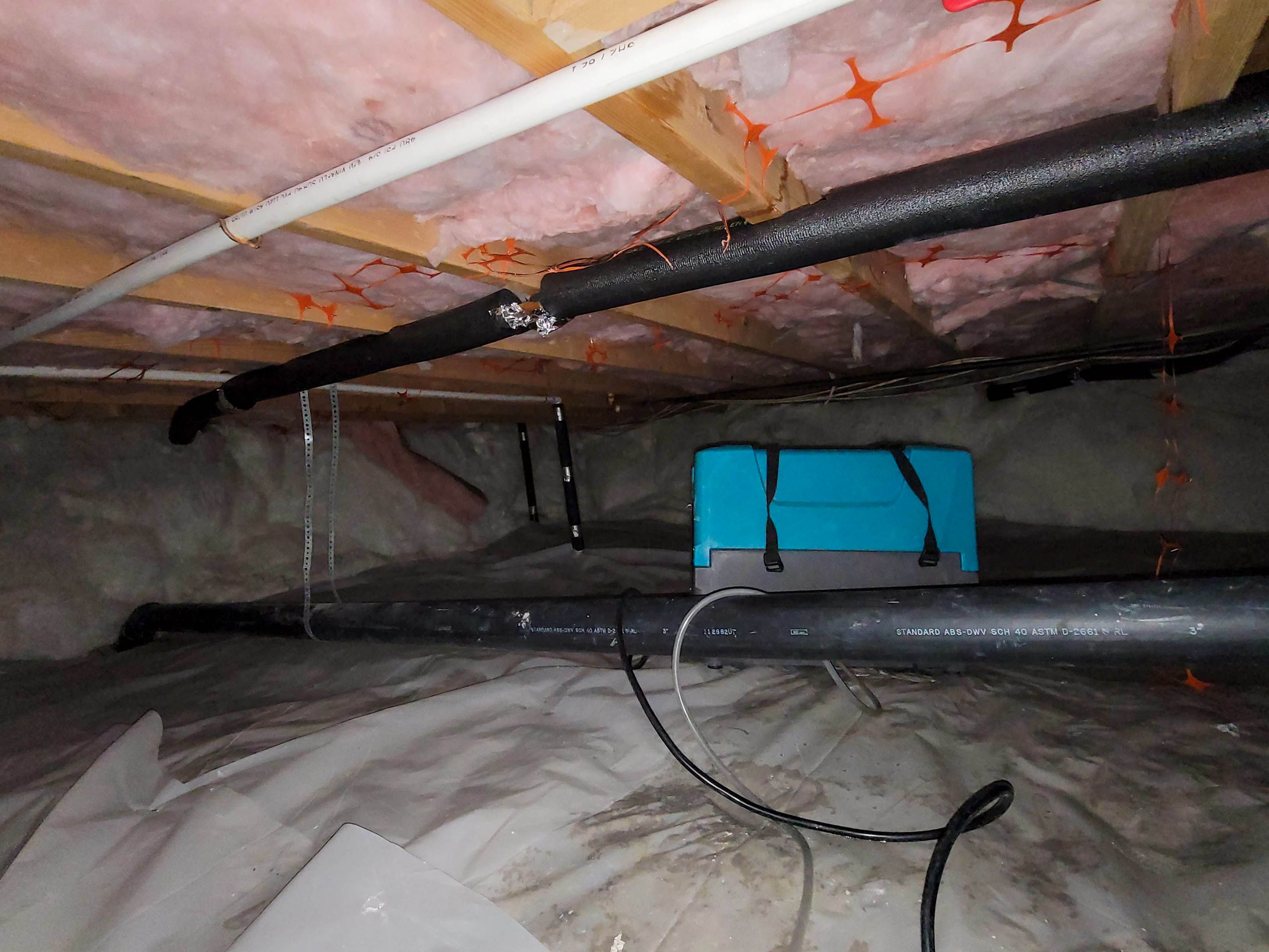
Before you begin, it's essential to assess the current condition of your crawlspace. Look for signs of moisture, such as dampness, mold, or water stains. Use a flashlight to inspect every corner and take notes on any areas that need special attention. Identifying these issues early can save you time and effort in the long run.
Check for any existing insulation and note its condition. If it's damaged or moldy, it will need to be replaced. Pay close attention to the vapor barrier on the ground and ensure it’s intact and covering the entire area.
Gathering Materials and Tools
Having the right tools and materials is essential for a successful waterproofing project. Here’s a list of what you’ll need:
- Heavy-duty plastic sheeting for vapor barriers
- Waterproof tape
- Sealant for cracks and gaps
- Insulation material
- Protective gear, such as gloves and masks
Sealing Cracks and Gaps
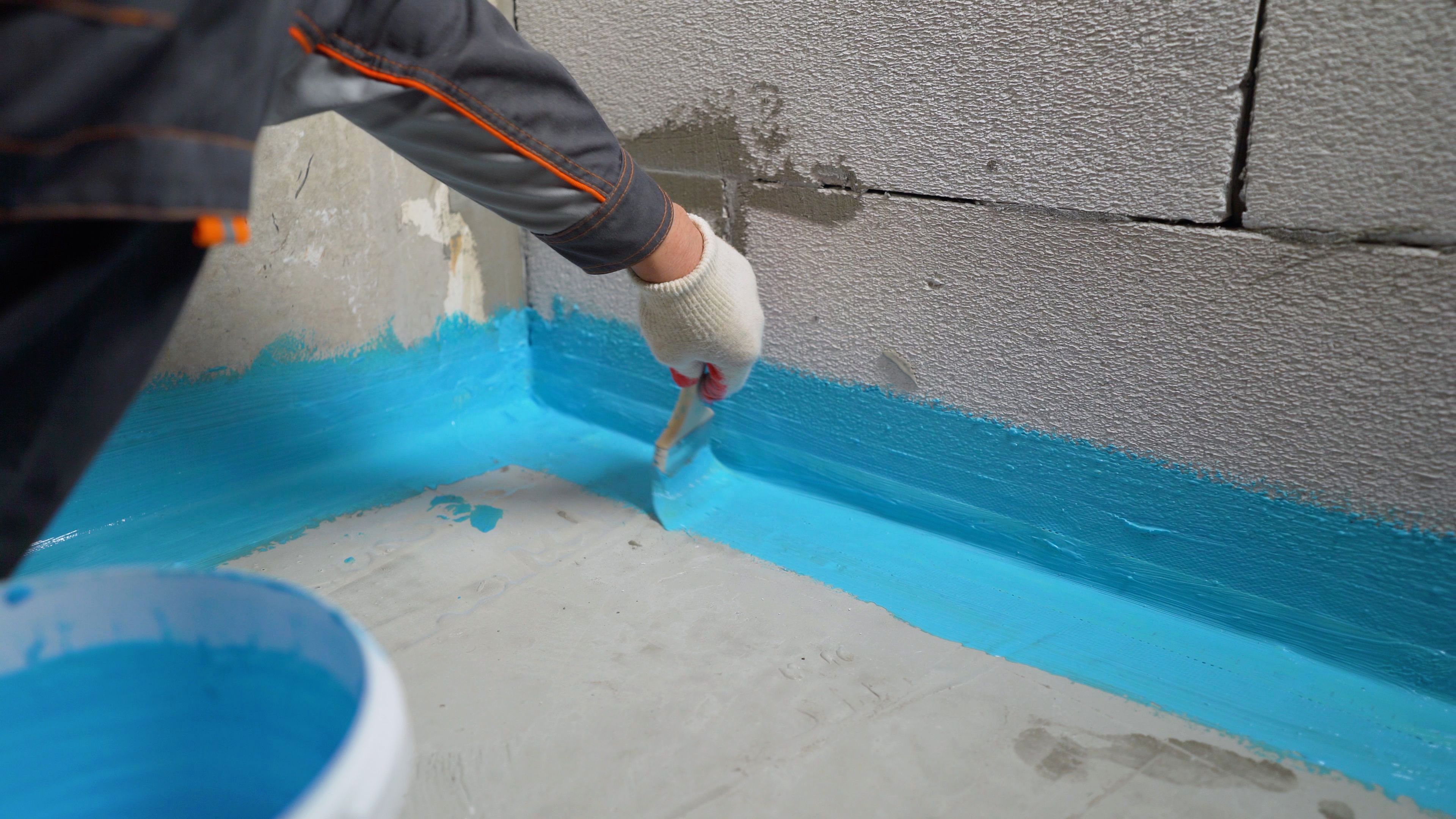
One of the first steps in waterproofing is sealing any cracks and gaps in the crawlspace walls and floors. Use a high-quality sealant to fill these areas, as they can be entry points for moisture. Be thorough, as even the smallest crack can lead to significant water issues.
Make sure to wear protective gear during this process to avoid any health risks. Once the sealant is applied, allow it to dry completely before proceeding to the next step.
Installing a Vapor Barrier
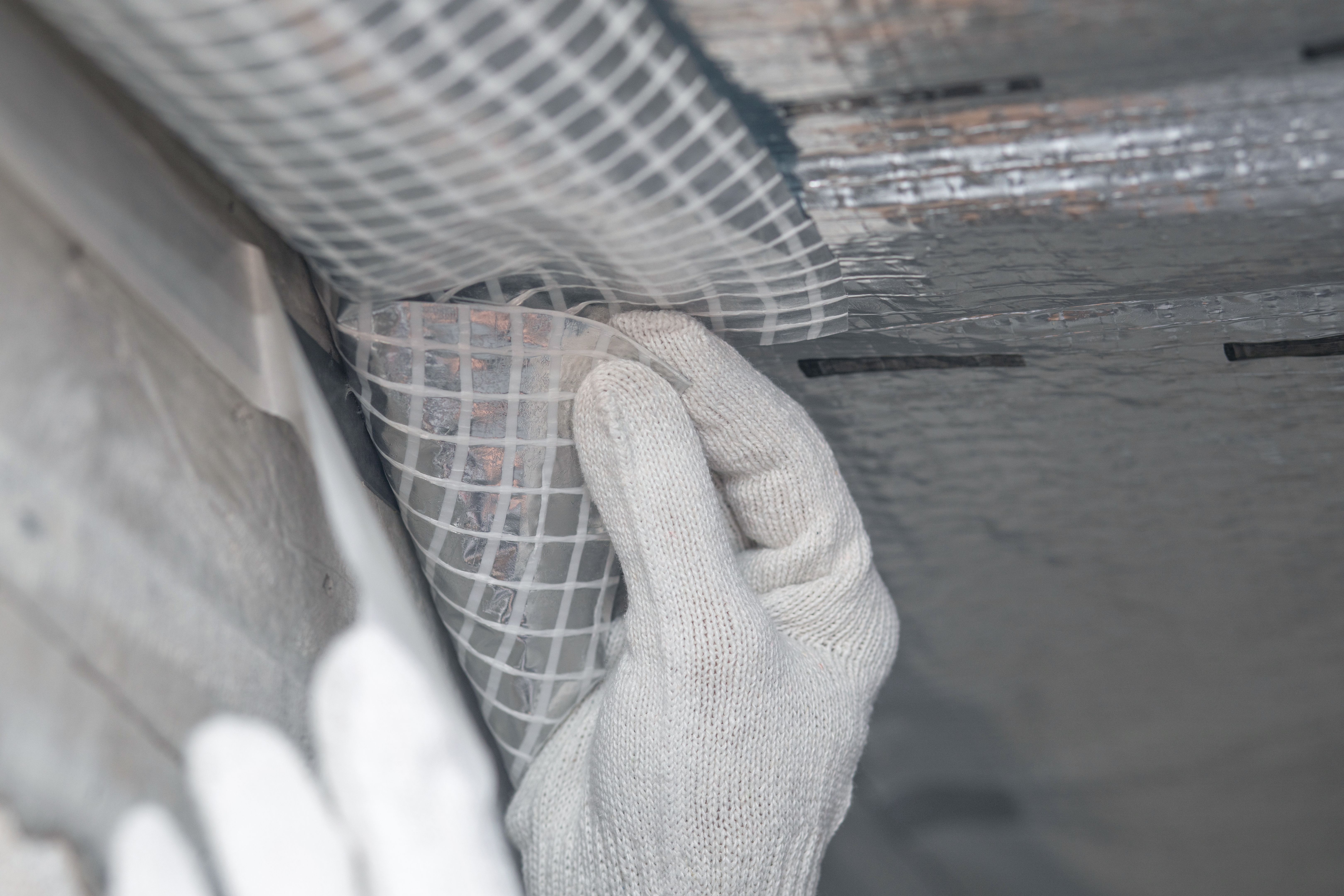
Installing a vapor barrier is essential in preventing ground moisture from entering the crawlspace. Spread heavy-duty plastic sheeting across the entire ground area, ensuring it extends a few inches up the walls. Use waterproof tape to secure the seams and edges of the plastic.
This barrier acts as a shield against moisture and helps maintain a dry environment. Ensure there are no gaps or holes in the barrier, as these can compromise its effectiveness.
Improving Drainage
Proper drainage is key to preventing water from accumulating in your crawlspace. If your home is prone to water pooling, consider installing a drainage system. French drains or sump pumps are effective solutions that can redirect water away from the foundation.
Assess the slope of the surrounding landscape and make adjustments if necessary to ensure water flows away from the house. Regular maintenance of these systems is crucial for long-term efficiency.
Enhancing Insulation
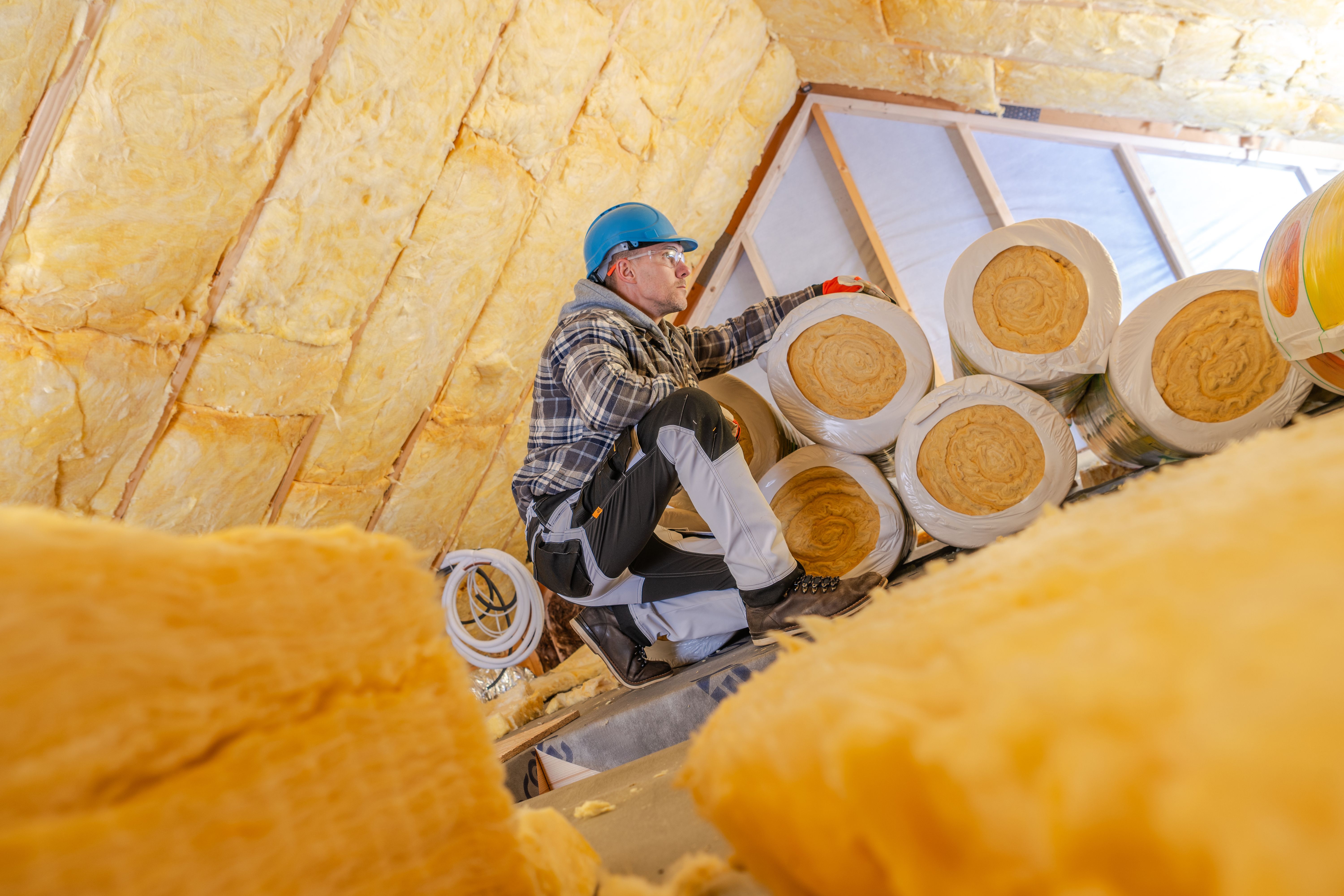
Insulating your crawlspace not only helps with waterproofing but also improves energy efficiency. Choose insulation materials that are resistant to moisture and mold. Install the insulation along the walls and floor joists for optimal results.
Proper insulation ensures that your home remains comfortable year-round and can lead to significant savings on energy bills.
By following these expert tips, you can effectively waterproof your crawlspace and protect your home from moisture-related issues. Regular inspections and maintenance will help ensure that your crawlspace remains dry and efficient for years to come.